


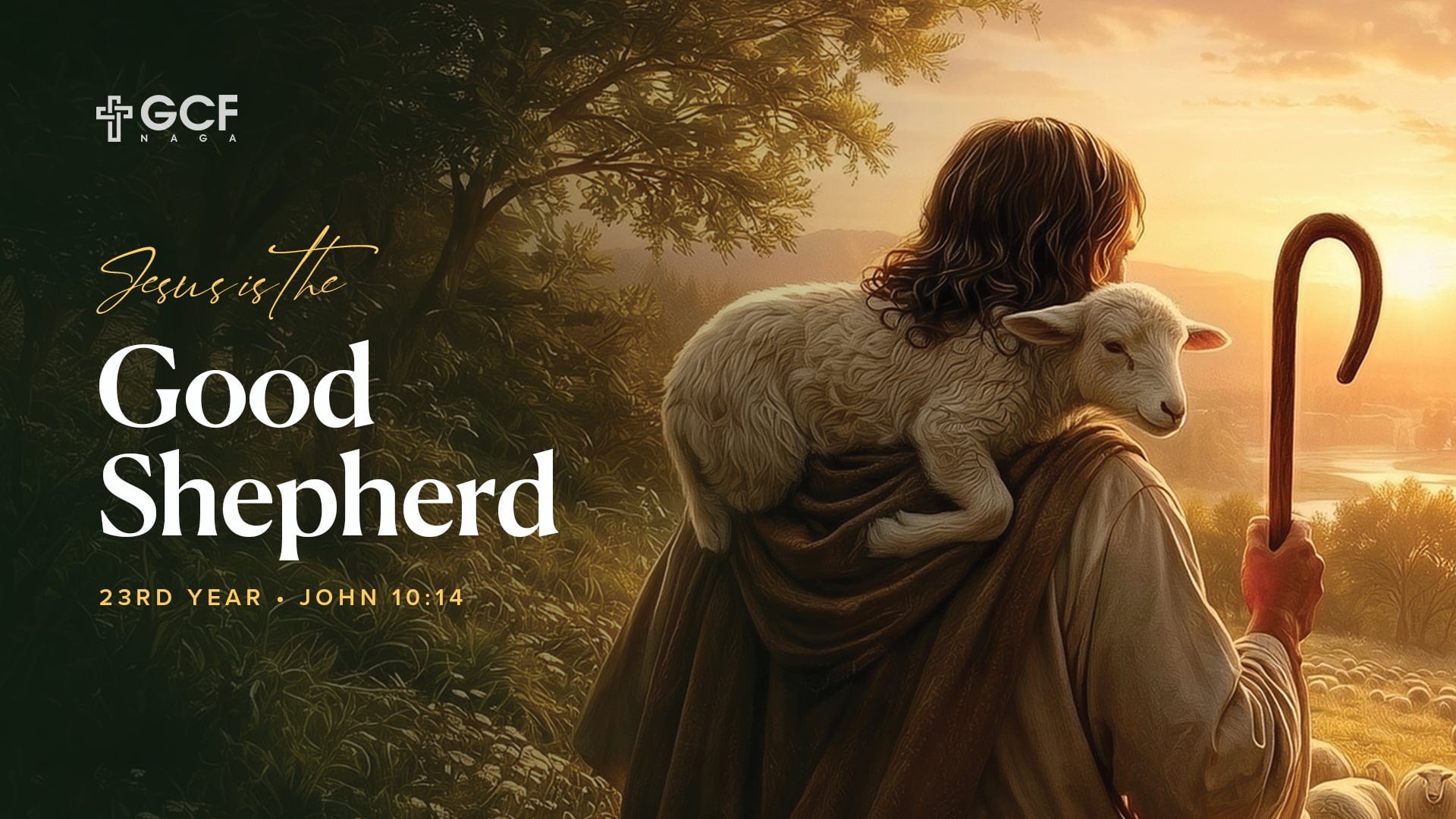
Jesus is the Good Shepherd, and He explains why. It is because He lays His life down for the sheep. The metaphor is of eternal significance. His sacrifice will bring forgiveness and a sense of belonging to the lost. Furthermore, Jesus knows His sheep and is known by them, and this relationship reflects His unity with the Father. He also gathers other sheep into one flock, and He rules them as the Good Shepherd.
John 10:11, ESV: I am the good shepherd. The good shepherd lays down his life for the sheep.
Hired Hand
Jesus describes the hired hand and contrasts him with the true shepherd.
The hired hand does not own the sheep, so his connection to them is weak.
When the wolf comes, he sees the danger, and he runs away.
The sheep are left unprotected and scattered by the wolf.
John 10:12-13: He who is a hired hand and not a shepherd, who does not own the sheep, sees the wolf coming and leaves the sheep and flees, and the wolf snatches them and scatters them. 13 He flees because he is a hired hand and cares nothing for the sheep.
Jesus explains this action clearly, for the hired hand does not care for the sheep.
This passage warns against selfish leadership, and it highlights Christ as the Shepherd who stays and protects His flock.
Jesus Knows His Own
Jesus declares again that He is the Good Shepherd. He knows His sheep personally, and they know Him in return. This knowledge is relational, and it is marked by trust and belonging.
John 10:14-15: I am the good shepherd. I know my own and my own know me, 15 just as the Father knows me and I know the Father; and I lay down my life for the sheep.
Jesus compares this relationship to the perfect knowledge between the Father and the Son. The closeness between Christ and His sheep flows from this divine relationship. Because He knows His sheep so fully, He willingly lays down His life for them.
Lost Sheep
Jesus speaks of sheep who are not part of the present fold. These sheep are not simply lost Israelites, because Jesus says they are not of this fold at all. They also represent Gentiles who are currently unbelievers but already belong to Him by divine purpose.
John 10:16: And I have other sheep that are not of this fold. I must bring them also, and they will listen to my voice. So there will be one flock, one shepherd.
Jesus says they will listen to His voice, which points to their future response in faith. When they are gathered, there will not be separate groups, but one united people. Christ Himself will shepherd both Jews and Gentiles as one flock under His rule, which is the church.
Application
1. Let us place our trust in Christ rather than in human leaders who may fail or flee. This passage assures us that the Good Shepherd remains with His people in danger and suffering, and He never abandons His flock.
2. Christ knows His sheep. If we are His sheep, then let us know Him through His word. Let us believe in the significance of why He laid His life for all who would believe. Remember that it is a personal knowledge not merely intellectual.
3. Let us remember that Christ’s saving work reaches beyond our circle of influence. This passage calls us to share the gospel with confidence, trusting that the Shepherd is already calling His sheep.
Poem
GOOD SHEPHERD
by Ed Pilapil Jr

I AM the Good Shepherd, He said
Jesus laid down His life; He bled
For the sake of our souls, He bled
I AM the Good Shepherd, He said

The hired hand will run from danger
For the sheep, he is a stranger
The Good Shepherd is no stranger
His sheep will not be in danger

Trust the Lord Jesus Christ alone
The Shepherd knows, and He is known
By the sheep that’s chosen and known
The Good Shepherd is Christ alone

He’ll gather the lost in His name
For all peoples, nations, He came
To save our souls, that’s why He came
Thus, we believe only in His name
Study Guide
1. What actions and qualities does Jesus repeatedly attribute to Himself as the Good Shepherd (John 10:11-13)?
2. How does Jesus describe the difference between the good shepherd and the hired hand, and what specific outcomes result (3 John 5-6)?
3. What does Jesus say about the sheep who are not of this fold, and what will happen to them according to His words (John 10:16)?
Files
